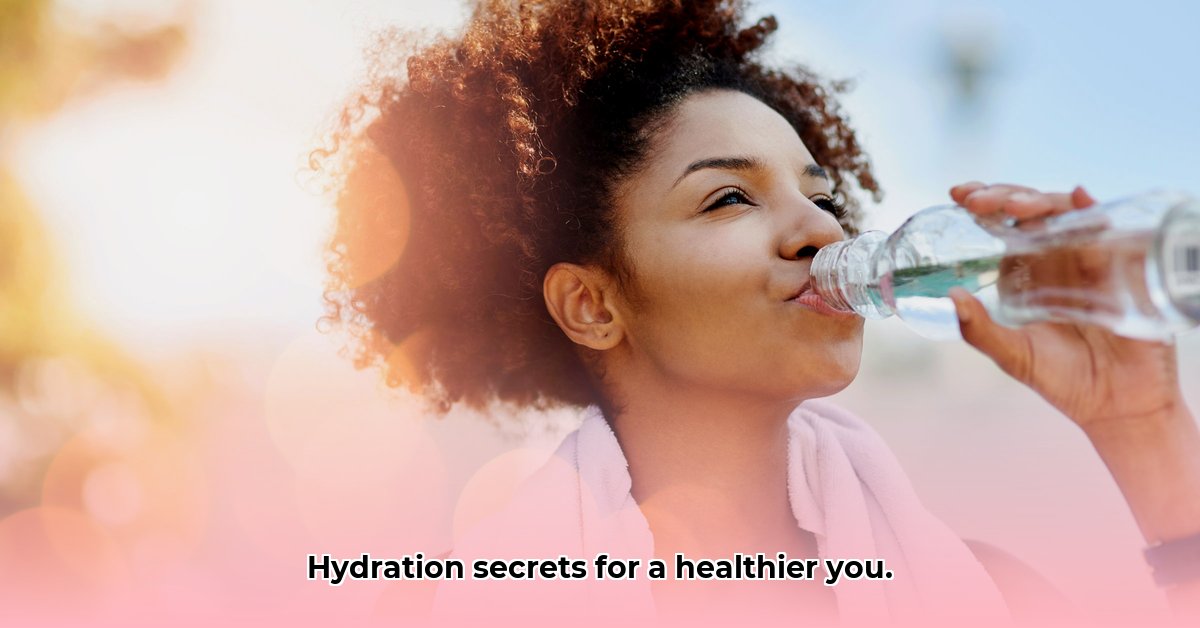
Ever feel completely drained, even after a full night's sleep? Or suffer from persistent headaches? The answer might be simpler than you think: you could be dehydrated. Learn more about water's importance with this helpful resource. This guide provides easy, practical strategies to optimize your hydration and feel your best. We'll create a personalized hydration plan, debunk common myths, and offer actionable tips to make hydration a breeze. Because feeling great starts with simple, everyday choices.
Decoding Your Hydration Needs
Optimal hydration is more than just quenching thirst; it's fundamental to overall health, significantly impacting energy levels and cognitive function. However, individual hydration needs vary considerably. Factors such as activity level, climate, and overall health all play key roles. A marathon runner requires significantly more fluids than someone with a sedentary lifestyle. If you have underlying health conditions, consult your doctor for personalized hydration advice. What works for one person may not work for another.
Practical Steps to Stay Hydrated
Boosting your hydration involves simple adjustments to your daily routine. No complicated changes needed, just consistent, mindful habits.
Monitor Your Intake: Track your daily water consumption using a marked water bottle or a hydration app. This establishes a baseline for making informed adjustments.
Sip, Don't Chug: Consistent sipping throughout the day is more effective than infrequent large gulps. Your body absorbs water more efficiently this way.
Hydrate Through Food: Water-rich fruits and vegetables— watermelon, cucumbers, spinach—offer delicious variety and contribute substantially to your daily fluid intake. Do you know how much water is in a watermelon? A surprising amount!
Replenish Electrolytes: Intense exercise and hot weather lead to electrolyte loss (essential minerals for bodily functions). While sports drinks can help, they often contain excessive sugar. Electrolyte tablets provide a lower-sugar alternative. Remember that balance is key; too many or too few electrolytes can be problematic.
Listen to Your Body: Thirst is a late indicator of dehydration. Aim to drink water before you feel thirsty. Proactive hydration is far more effective.
Moderate Dehydrating Beverages: Coffee, tea, and alcohol can have a diuretic effect (increase fluid loss). Enjoy these beverages in moderation.
Increase Accessibility: Keep a water bottle readily available – at your desk, in your bag, beside your bed. Convenience leads to consistent hydration.
Dealing with Mild Dehydration
Experiencing mild dehydration? Increase water intake, consume hydrating foods, and consider electrolyte tablets or drinks if you've been sweating profusely. If symptoms are severe (dizziness, lightheadedness, extreme fatigue), seek immediate medical attention.
A Sample Hydration Plan (Customize to Your Lifestyle)
This sample hydration plan is a starting point; adjust it based on your individual needs and activity levels:
| Time of Day | Hydration Strategy |
|---|---|
| Morning | 16 ounces of water |
| Mid-morning | 8 ounces of water and a piece of fruit |
| Lunch | 12 ounces of water |
| Afternoon | 8 ounces of water and some vegetables |
| Evening | 8 ounces of water |
| Before Bed | 8 ounces of water (Optional, adjust as needed) |
Consistency and awareness of your body's signals are crucial.
Understanding Potential Pitfalls
While adequate hydration is essential, overhydration is also a potential concern.
| Risk Factor | Potential Consequences | Mitigation Strategies |
|---|---|---|
| Overhydration (Hyponatremia) | Dilutes blood sodium, causing serious issues. | Avoid excessive water intake. Listen to your body's cues. |
| Dehydration | Fatigue, headaches, dizziness, impaired concentration. | Consistent fluid intake, especially during and after exercise or in hot weather. Consume hydrating foods. |
Moderation and awareness are key. Consistent hydration, coupled with attention to your body's signals, offers the most effective approach.
Best Ways to Rehydrate Quickly After Intense Exercise
Rehydration is crucial for post-workout recovery. Let's explore effective strategies.
Key Takeaways:
- Fluid & Electrolyte Replenishment: Replenish fluids and electrolytes lost through sweat.
- Individualized Approach: Hydration needs vary based on exercise intensity, duration, and individual sweat rate. There is no one-size-fits-all solution.
- Body Awareness: Thirst and dark urine indicate dehydration. Pay attention to your body's signals.
- Strategic Hydration: Hydrate before, during, and after exercise.
- Electrolyte Balance: Essential for muscle function and recovery, particularly after prolonged or intense workouts.
Understanding Your Sweat Rate
Individual sweat rates vary significantly. Monitoring pre- and post-workout weight can provide insights, but observing urine color (pale yellow is ideal) offers a more reliable indication of hydration status.
Step-by-Step Rehydration
- Pre-Hydration: Begin hydrating 2 hours before exercise (approximately 17 ounces of water).
- Hydration During Exercise: Sip water or an electrolyte drink regularly, particularly during longer or more intense workouts, or in hot conditions.
- Post-Workout Replenishment: Rehydrate within 30 minutes of finishing your workout, replenishing 100-150% of fluid loss. Consider a sports drink for prolonged or high-intensity exercise.
- Urine Monitoring: Regularly check your urine color. Dark urine is a dehydration indicator.
- Hydration-Rich Foods: Incorporate hydrating foods (fruits, vegetables, soups) into your diet.
Choosing the Right Electrolyte Drink
Electrolyte drinks help replenish vital minerals lost through sweat. Carefully read labels and choose drinks suitable for the intensity of your workouts.
Beyond Drinks: Additional Hydration Strategies
Hydrating foods contribute significantly to your overall fluid balance.
Potential Risks and Solutions
- Hyponatremia: Drinking excessive water without adequate electrolytes can lead to hyponatremia (low blood sodium). Symptoms include headaches, nausea, and confusion. Avoid rapidly consuming large volumes of water.
- Electrolyte Imbalance: Incorrect electrolyte levels can cause health problems. Consult a doctor if concerned about your electrolyte balance.